Festivals are moments when routine steps aside and human connection takes center stage. Across cultures, these occasions are marked not only by rituals and gatherings but also by the thoughtful exchange of gifts. Among flowers, clothes, and handcrafted items, desserts stand out as expressions of affection that speak without words. Their sweetness carries emotion, while their preparation reflects care, patience, and cultural memory. Over time, gifting desserts during festivals has become a cherished way to honor relationships and celebrate shared joy, blending hospitality with symbolism in ways few other gifts can achieve.
Sweet Offerings as Cultural Expressions
In many societies, festive desserts are more than celebratory treats; they are cultural statements shaped by history and belief. The act of giving something prepared with care reflects generosity and respect, especially during sacred or joyful occasions. Long before commercial gifting gained popularity, families relied on shared culinary practices to mark special days. These edible offerings often symbolized abundance, gratitude, and harmony, reinforcing food traditions that connected households and neighborhoods through shared flavors, mutual trust, and social responsibility that extended beyond individual families. Such practices also helped maintain social balance, ensuring no household felt excluded during moments of celebration.
Emotional Connections Wrapped in Sugar
Festive desserts often evoke memories tied to family, childhood, and community. Receiving a box of sweets during celebrations can instantly transport someone back to earlier times when kitchens were filled with aromas, conversation, and anticipation. These treats become emotional anchors, reminding people of who prepared them and why. In many homes, certain desserts are prepared only once or twice a year, making their arrival deeply anticipated. The emotional value often outweighs the material worth, turning simple ingredients into symbols of belonging and affection that linger long after the festival ends.
Ingredients That Tell Regional Stories
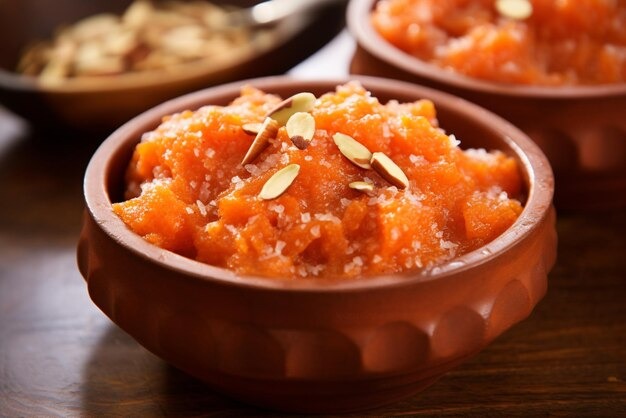
The components used in festive desserts often reflect geography, climate, and local agriculture. Whether it is the choice of grain, sweetener, or spice, each ingredient carries meaning rooted in the land it comes from. Over generations, these combinations have evolved into what many recognize as regional festival desserts, each reflecting the identity of a place and its people. When gifted, these sweets quietly communicate regional pride, inherited knowledge, and a sense of continuity that survives even as lifestyles change. They also serve as subtle reminders of local resilience and self-sufficiency.
Seasonal Influence on Festive Preparations
The timing of festivals often aligns with seasonal transitions, influencing the nature of the desserts prepared. Lighter, cooling sweets appear during warmer periods, while richer, nourishing varieties are reserved for colder months. This thoughtful alignment ensures balance and comfort while honoring traditional wisdom. Seasonal awareness also affects portion sizes, storage methods, and ingredient choices, showing how dessert gifting has always been closely tied to practical understanding of nature alongside celebratory intent.
Shared Kitchens and Collective Effort
Festive dessert preparation is rarely an individual task. Kitchens become gathering spaces where family members contribute in small yet meaningful ways. These shared efforts strengthen bonds and pass knowledge organically. Younger generations learn by observing elders, absorbing techniques that may never be written down. Through these experiences, festive desserts are preserved not just as recipes but as living traditions shaped by shared labor, cooperation, and respect for cultural continuity. The process itself often becomes as meaningful as the finished gift.
Presentation as an Extension of Care
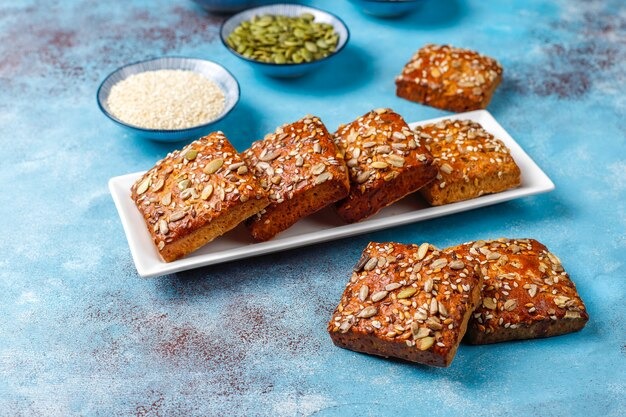
How a dessert is presented often reflects the giver’s intention as much as the dessert itself. Decorative boxes, traditional wraps, or reusable containers are chosen thoughtfully, enhancing emotional value. Presentation signals effort, respect, and sincerity. In recent times, people exploring traditional gifting ideas through platforms like the Kuuraii website have found ways to balance authenticity with convenience. While packaging styles evolve, the underlying message of warmth and goodwill remains unchanged, ensuring the gesture never feels impersonal.
Evolving Practices in Modern Celebrations
As lifestyles become faster and urban spaces more compact, festive gifting habits have adapted. Some families continue preparing desserts at home, while others rely on skilled artisans who maintain traditional techniques. This shift reflects changing time constraints rather than cultural decline. Modern celebrations still rely on desserts as symbolic gifts because they remain accessible, meaningful, and universally appreciated across generations and social boundaries, bridging old customs with present-day realities.
Passing Recipes Across Generations
One of the most enduring aspects of festive dessert gifting lies in how recipes are preserved within families. Many are passed down through observation rather than written instructions. Children grow up watching elders measure ingredients instinctively, learning patience and precision through participation. Over time, small adaptations may be introduced to suit changing tastes, yet the core character remains intact. When these desserts are gifted, they carry layers of family history, personal memory, and shared cultural identity that strengthen intergenerational bonds.
Conclusion
Traditional desserts given during festivals continue to hold relevance because they combine flavor with feeling. They remind people that celebration is not only about rituals or grandeur but also about thoughtful exchanges rooted in care. As these sweet gifts move from one home to another, they preserve memory, strengthen bonds, and ensure that cultural values endure through simple, heartfelt gestures shared across generations.
 Style Pherea