Category: Food

  • Easy Ways to Snack Smart Without Compromise

    Snacking gets a bad reputation because it’s often associated with mindless eating, sugar spikes, or grabbing whatever is closest when you’re stressed. But snacks can be one of the easiest ways to support steady energy, a better mood, and more satisfying meals later in the day if you build them with a little intention. The goal isn’t to eliminate cravings or follow strict rules. It’s to choose options that feel enjoyable, keep you full, and fit naturally into real life.

    Start With a Clear Snacking Purpose

    Before you reach into the pantry, ask what you actually need: a quick bridge to the next meal, a boost before a workout, something salty after a long meeting, or simply a comforting break. When you identify the purpose, your choices get sharper, and you’re less likely to snack twice because the first snack didn’t satisfy you. Many people do well with a “two-part” approach: something with fiber or protein paired with something flavorful, so you feel both physically full and mentally content.

    Make Crunch Work for You

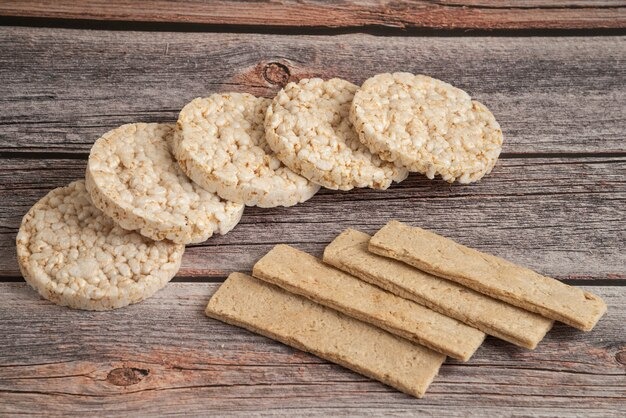
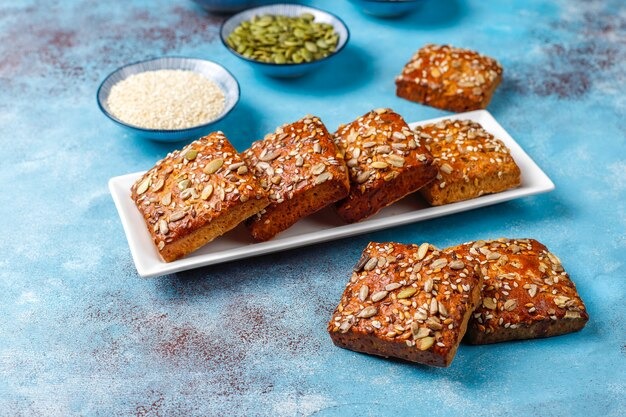
    Crunch is satisfying for a reason; it provides sensory feedback that can make a snack feel complete rather than flimsy. Instead of fighting that craving, channel it into smarter choices you can portion easily and enjoy slowly. If you’re looking for a crisp option with a different base than typical refined flour snacks, you might consider browsing millet biscuits online as one way to keep crunch on the menu while expanding your pantry beyond the usual picks. The key is to treat crunchy foods as a planned snack, not a continuous nibble.
    Build a Simple Snack Formula

    A reliable formula makes smart snacking feel effortless. Try combining one “anchor” item with one “bonus” item: yogurt plus fruit, hummus plus vegetables, nut butter plus a banana, or cheese plus whole-grain crackers. Anchors help with fullness, while the bonus adds flavor and texture variety. This approach also helps you avoid the trap of snacks that are tasty but leave you hungry again in 20 minutes.

    Upgrade the Pantry Without Turning It Into a Project

    You don’t need an extreme makeover, just a few strategic swaps that make the easiest choice a decent one. Stock two or three grab-and-go options that you genuinely like, plus one ingredient that turns leftovers into snacks, such as roasted chickpeas, trail mix components, or a jar of olives. Keeping variety prevents boredom, which is often why people roam the kitchen looking for “something else.” When your pantry is set up thoughtfully, it supports consistent choices even on busy days.

    Reinvent Familiar Comforts With Better Pairings

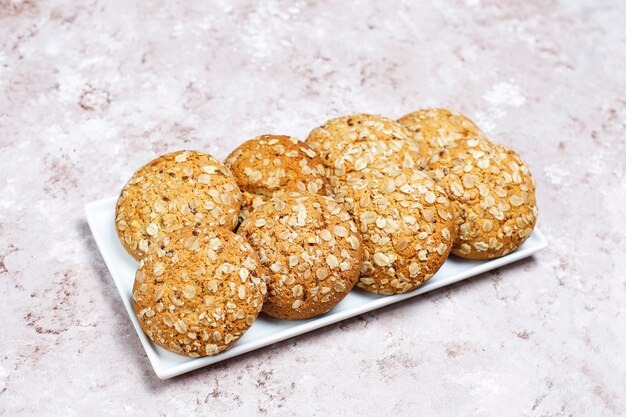
    Some of the most satisfying snacks are the ones that feel nostalgic: a warm drink with something crisp, a savory bite in the afternoon, or a sweet finish after dinner. You don’t have to give that up; you just need pairings that add balance. Try dark chocolate with almonds, popcorn with a protein-rich side, or a small baked treat alongside a glass of milk or kefir. This way, you keep the comfort while avoiding the rollercoaster effect of sugar-only snacking.

    Practice Portioning Without Losing the Fun

    Portioning doesn’t have to feel restrictive; it can actually make snacking more enjoyable because it turns a vague habit into a clear moment. Use small bowls, snack plates, or pre-portioned containers so you can sit down and taste what you’re eating. When you eat from the bag, it’s easy to lose track and keep chasing the same satisfaction you would have gotten from a smaller amount. A defined portion also helps you notice which snacks truly satisfy you and which ones you eat out of routine.
    Bring Back the Joy of Simple Munching

    Something is comforting about shared snacks at gatherings, movie nights, and family visits, and that sense of ritual can exist without overdoing it. Think about crunchy snack traditions you grew up with, something toasted, roasted, or lightly spiced, and recreate the feeling with fresher ingredients and a calmer pace. When snacking becomes a small ritual rather than a constant background activity, it feels more special, and you naturally eat with more awareness.

    Plan for the In-Between Moments

    The toughest snack decisions happen when you’re rushed: commuting, juggling meetings, picking up kids, or running errands. Prepare for those moments with portable options that won’t melt, crumble into dust, or require utensils. Keep a short list of everyday snack bites you can rely on, such as a piece of fruit plus nuts, a protein bar you actually enjoy, or a small container of roasted seeds. Planning for friction points is often more effective than trying to “be disciplined” when you’re already tired.

    Keep Health Goals Realistic and Satisfying

    Healthy snacking isn’t about perfect ingredients; it’s about patterns you can sustain. Rotate flavors so you don’t burn out, include salt when it helps you feel satisfied, and keep some fun options around so you don’t feel deprived. If you’re collecting healthy snack ideas from social media, choose the ones that match your schedule and kitchen habits rather than the ones that look impressive. A snack that you’ll consistently make and enjoy beats an elaborate plan you abandon after a week.

    Conclusion

    Smart snacking works best when it’s practical, enjoyable, and tailored to your real routines. When you snack with a purpose, build balanced combinations, and keep satisfying textures in the mix, you can support steady energy without feeling like you’re compromising. Stock a few reliable options, plan for busy moments, and let snacks be a helpful tool, not a source of guilt. Over time, small choices add up, and your snack habits can become one of the easiest parts of a healthier day.
  • Traditional Desserts Given as Gifts During Festivals

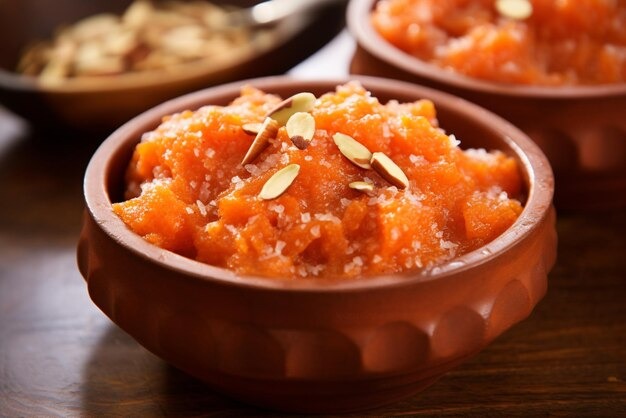
    Festivals are moments when routine steps aside and human connection takes center stage. Across cultures, these occasions are marked not only by rituals and gatherings but also by the thoughtful exchange of gifts. Among flowers, clothes, and handcrafted items, desserts stand out as expressions of affection that speak without words. Their sweetness carries emotion, while their preparation reflects care, patience, and cultural memory. Over time, gifting desserts during festivals has become a cherished way to honor relationships and celebrate shared joy, blending hospitality with symbolism in ways few other gifts can achieve.

    Sweet Offerings as Cultural Expressions

    In many societies, festive desserts are more than celebratory treats; they are cultural statements shaped by history and belief. The act of giving something prepared with care reflects generosity and respect, especially during sacred or joyful occasions. Long before commercial gifting gained popularity, families relied on shared culinary practices to mark special days. These edible offerings often symbolized abundance, gratitude, and harmony, reinforcing food traditions that connected households and neighborhoods through shared flavors, mutual trust, and social responsibility that extended beyond individual families. Such practices also helped maintain social balance, ensuring no household felt excluded during moments of celebration.

    Emotional Connections Wrapped in Sugar

    Festive desserts often evoke memories tied to family, childhood, and community. Receiving a box of sweets during celebrations can instantly transport someone back to earlier times when kitchens were filled with aromas, conversation, and anticipation. These treats become emotional anchors, reminding people of who prepared them and why. In many homes, certain desserts are prepared only once or twice a year, making their arrival deeply anticipated. The emotional value often outweighs the material worth, turning simple ingredients into symbols of belonging and affection that linger long after the festival ends.

    Ingredients That Tell Regional Stories

    The components used in festive desserts often reflect geography, climate, and local agriculture. Whether it is the choice of grain, sweetener, or spice, each ingredient carries meaning rooted in the land it comes from. Over generations, these combinations have evolved into what many recognize as regional festival desserts, each reflecting the identity of a place and its people. When gifted, these sweets quietly communicate regional pride, inherited knowledge, and a sense of continuity that survives even as lifestyles change. They also serve as subtle reminders of local resilience and self-sufficiency.

    Seasonal Influence on Festive Preparations

    The timing of festivals often aligns with seasonal transitions, influencing the nature of the desserts prepared. Lighter, cooling sweets appear during warmer periods, while richer, nourishing varieties are reserved for colder months. This thoughtful alignment ensures balance and comfort while honoring traditional wisdom. Seasonal awareness also affects portion sizes, storage methods, and ingredient choices, showing how dessert gifting has always been closely tied to practical understanding of nature alongside celebratory intent.

    Shared Kitchens and Collective Effort

    Festive dessert preparation is rarely an individual task. Kitchens become gathering spaces where family members contribute in small yet meaningful ways. These shared efforts strengthen bonds and pass knowledge organically. Younger generations learn by observing elders, absorbing techniques that may never be written down. Through these experiences, festive desserts are preserved not just as recipes but as living traditions shaped by shared labor, cooperation, and respect for cultural continuity. The process itself often becomes as meaningful as the finished gift.

    Presentation as an Extension of Care

    How a dessert is presented often reflects the giver’s intention as much as the dessert itself. Decorative boxes, traditional wraps, or reusable containers are chosen thoughtfully, enhancing emotional value. Presentation signals effort, respect, and sincerity. In recent times, people exploring traditional gifting ideas through platforms like the Kuuraii website have found ways to balance authenticity with convenience. While packaging styles evolve, the underlying message of warmth and goodwill remains unchanged, ensuring the gesture never feels impersonal.

    Evolving Practices in Modern Celebrations

    As lifestyles become faster and urban spaces more compact, festive gifting habits have adapted. Some families continue preparing desserts at home, while others rely on skilled artisans who maintain traditional techniques. This shift reflects changing time constraints rather than cultural decline. Modern celebrations still rely on desserts as symbolic gifts because they remain accessible, meaningful, and universally appreciated across generations and social boundaries, bridging old customs with present-day realities.

    Passing Recipes Across Generations

    One of the most enduring aspects of festive dessert gifting lies in how recipes are preserved within families. Many are passed down through observation rather than written instructions. Children grow up watching elders measure ingredients instinctively, learning patience and precision through participation. Over time, small adaptations may be introduced to suit changing tastes, yet the core character remains intact. When these desserts are gifted, they carry layers of family history, personal memory, and shared cultural identity that strengthen intergenerational bonds.

    Conclusion

    Traditional desserts given during festivals continue to hold relevance because they combine flavor with feeling. They remind people that celebration is not only about rituals or grandeur but also about thoughtful exchanges rooted in care. As these sweet gifts move from one home to another, they preserve memory, strengthen bonds, and ensure that cultural values endure through simple, heartfelt gestures shared across generations.

  • A Food Lover’s Journey Through Crunchy Traditions

    There’s something universally satisfying about that first bite of crunch a sound and texture that immediately awakens the senses. Across cultures, crispy foods represent more than just taste; they carry stories, techniques, and traditions passed down through generations. From golden fritters sizzling in street stalls to hand-rolled snacks made at home, the art of achieving the perfect crunch is a global obsession. It’s not just about flavor it’s about craftsmanship, timing, and the love poured into every dish. For food lovers, exploring these traditions is a journey through history, culture, and the joy of texture itself.

    The Allure of the Crunch

    Every culture celebrates its own version of crispy goodness. The crackle of tempura in Japan, the crisp papadum of India, and the flaky layers of Middle Eastern pastries all showcase humanity’s shared love for texture. As you travel through global cuisines, you’ll soon discover crispy delights that connect comfort with creativity. The quest for crunch isn’t just culinary; it’s emotional. Crispy foods often mark festive occasions, comfort meals, or nostalgic moments that bring people together. Whether it’s the golden hue of a perfectly fried samosa or the gentle crumble of a biscuit, that irresistible texture tells a story of patience, tradition, and joy.

    India’s Crunchy Heritage

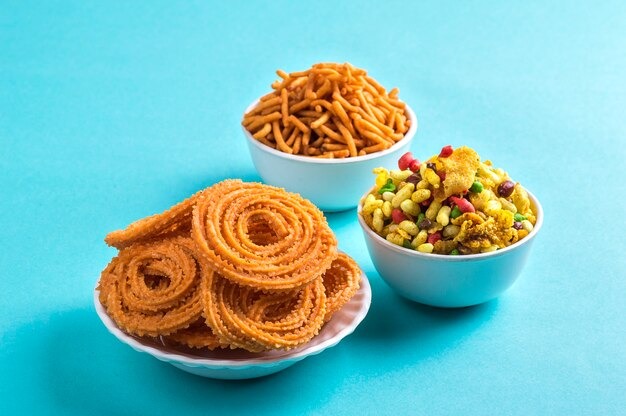
    India’s relationship with crispy foods is deep-rooted and diverse. Each region brings its own signature snacks from Tamil Nadu’s murukku and Kerala’s banana chips to Gujarat’s khakhra and Bengal’s nimki. These treats are not just everyday indulgences; they are expressions of cultural pride and culinary artistry. What makes Indian crispy foods unique is the use of natural ingredients rice flour, chickpea flour, lentils, and spices that lend both texture and flavor. Passed down through generations, these recipes carry a sense of home, warmth, and celebration that transcends time.

    The Science Behind the Crunch

    Crispiness may feel like magic, but it’s actually science at work. When moisture evaporates rapidly during frying or baking, it leaves behind a porous structure that crackles when bitten. The choice of flour, temperature, and oil all influence the texture and color. Even humidity can change the final result. Ancient cooks mastered these techniques long before modern equipment existed, relying solely on instinct and experience. The perfect crunch depends on precision too much heat, and it burns; too little, and it stays soggy. Mastering this balance is what separates good snacks from unforgettable ones.

    Street Food: Where Crunch Comes Alive

    Walk through any bustling street market, and you’ll hear the unmistakable sound of sizzling oil and laughter. Street food has always been a playground for crispy creations. From pakoras and vadas in India to churros in Spain and falafel in the Middle East, these foods bring people together in the purest expression of community dining. Vendors perfect their craft over the years, knowing exactly when to pull a snack from the fryer for that ideal golden crisp. The lively aroma, the quick service, and the joyful energy all make these crunchy bites a celebration of culture on the go.

    Home-Made Comforts

    Crisp snacks prepared at home carry a special kind of love. In many households, weekends or festivals are dedicated to preparing big batches of crunchy treats often fried, dried, and stored for days or weeks. Families gather to knead, shape, and fry, turning cooking into a shared experience. These homemade snacks are healthier, preservative-free, and filled with nostalgia. They remind us that true culinary satisfaction doesn’t come from convenience but from connection the bond formed between generations through recipes, flavors, and shared stories around the stove.

    Global Crispy Inspirations

    Crisp textures transcend geography. Italy’s bruschetta, Thailand’s spring rolls, France’s croissants, and Korea’s fried chicken each showcase unique methods of achieving crunch. Even within a single country, variations abound for instance, Japan’s panko breadcrumbs differ from Europe’s dense coating style, yet both deliver satisfying results. This universal love for crispiness proves that food, despite its regional differences, shares a common language. When travelers explore local cuisines, the crunch becomes a bridge between cultures, a taste of tradition that instantly feels familiar, no matter where you are.

    Balancing Health and Indulgence

    Modern eaters seek the joy of crispy textures without compromising on health. With the rise of air frying, baking, and dehydrating, it’s possible to enjoy crunch with minimal oil. Ingredients like quinoa, oats, and chickpeas are being reinvented into crisp snacks that are rich in nutrients but light on fat. Traditional recipes, too, are being adapted rice crackers, lentil chips, and baked murukku are gaining popularity among health-conscious snackers. The fusion of old-world taste with modern nutrition ensures that the crunch we love evolves with time, without losing its essence.

    Cultural Rituals Around Snacks

    In many cultures, crispy snacks are tied to rituals and celebrations. During Indian festivals like Diwali, one of the top Indian festivals   crunchy savories symbolize prosperity and togetherness. In Japan, rice crackers are shared during tea ceremonies as a gesture of respect. Even Western traditions include crisp elements, from roasted nuts at Christmas to fried dough at fairs. These customs highlight the emotional connection between food and festivity. The sound of a crisp bite can mark a moment of happiness, turning simple snacks into meaningful cultural experiences.


    You may also like to read: Top Men’s Accessories That Instantly Upgrade Any Outfit

    Conclusion

    Crisp foods have a universal charm that transcends borders, ages, and occasions. They represent creativity, care, and the timeless joy of eating something perfectly made. From homemade snacks to global street food favorites, every crunch tells a story of patience, innovation, and shared happiness. As you journey through these traditions, take a moment to savor not just the flavor but the craftsmanship behind it. Every bite is a celebration of heritage and heart. The next time you crave something crunchy, follow your senses and discover crispy delights that connect you to the world one delicious crunch at a time.

Design a site like this with WordPress.com
Get started