Snacking gets a bad reputation because it’s often associated with mindless eating, sugar spikes, or grabbing whatever is closest when you’re stressed. But snacks can be one of the easiest ways to support steady energy, a better mood, and more satisfying meals later in the day if you build them with a little intention. The goal isn’t to eliminate cravings or follow strict rules. It’s to choose options that feel enjoyable, keep you full, and fit naturally into real life.
Start With a Clear Snacking Purpose
Before you reach into the pantry, ask what you actually need: a quick bridge to the next meal, a boost before a workout, something salty after a long meeting, or simply a comforting break. When you identify the purpose, your choices get sharper, and you’re less likely to snack twice because the first snack didn’t satisfy you. Many people do well with a “two-part” approach: something with fiber or protein paired with something flavorful, so you feel both physically full and mentally content.
Make Crunch Work for You
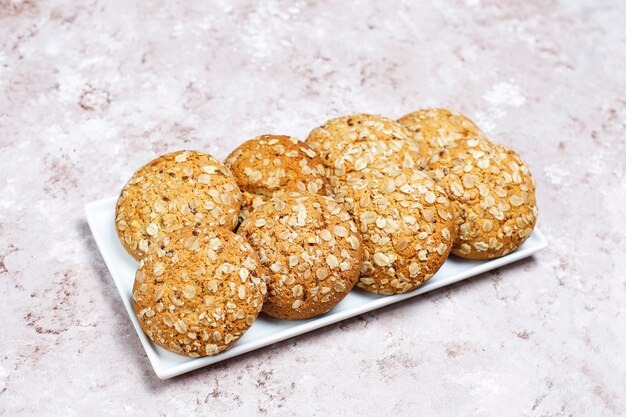
Crunch is satisfying for a reason; it provides sensory feedback that can make a snack feel complete rather than flimsy. Instead of fighting that craving, channel it into smarter choices you can portion easily and enjoy slowly. If you’re looking for a crisp option with a different base than typical refined flour snacks, you might consider browsing millet biscuits online as one way to keep crunch on the menu while expanding your pantry beyond the usual picks. The key is to treat crunchy foods as a planned snack, not a continuous nibble.
Build a Simple Snack Formula
A reliable formula makes smart snacking feel effortless. Try combining one “anchor” item with one “bonus” item: yogurt plus fruit, hummus plus vegetables, nut butter plus a banana, or cheese plus whole-grain crackers. Anchors help with fullness, while the bonus adds flavor and texture variety. This approach also helps you avoid the trap of snacks that are tasty but leave you hungry again in 20 minutes.
Upgrade the Pantry Without Turning It Into a Project
You don’t need an extreme makeover, just a few strategic swaps that make the easiest choice a decent one. Stock two or three grab-and-go options that you genuinely like, plus one ingredient that turns leftovers into snacks, such as roasted chickpeas, trail mix components, or a jar of olives. Keeping variety prevents boredom, which is often why people roam the kitchen looking for “something else.” When your pantry is set up thoughtfully, it supports consistent choices even on busy days.
Reinvent Familiar Comforts With Better Pairings
Some of the most satisfying snacks are the ones that feel nostalgic: a warm drink with something crisp, a savory bite in the afternoon, or a sweet finish after dinner. You don’t have to give that up; you just need pairings that add balance. Try dark chocolate with almonds, popcorn with a protein-rich side, or a small baked treat alongside a glass of milk or kefir. This way, you keep the comfort while avoiding the rollercoaster effect of sugar-only snacking.
Practice Portioning Without Losing the Fun
Portioning doesn’t have to feel restrictive; it can actually make snacking more enjoyable because it turns a vague habit into a clear moment. Use small bowls, snack plates, or pre-portioned containers so you can sit down and taste what you’re eating. When you eat from the bag, it’s easy to lose track and keep chasing the same satisfaction you would have gotten from a smaller amount. A defined portion also helps you notice which snacks truly satisfy you and which ones you eat out of routine.
Bring Back the Joy of Simple Munching
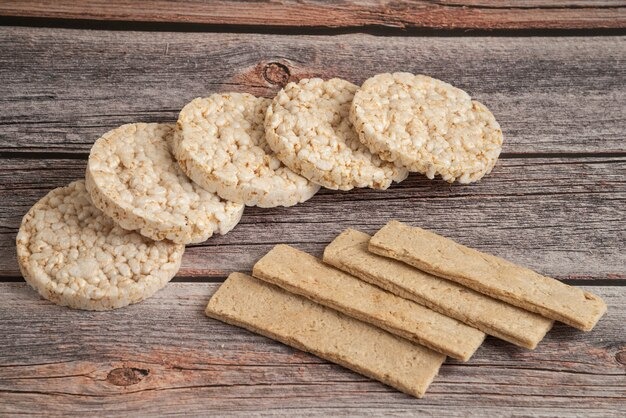
Something is comforting about shared snacks at gatherings, movie nights, and family visits, and that sense of ritual can exist without overdoing it. Think about crunchy snack traditions you grew up with, something toasted, roasted, or lightly spiced, and recreate the feeling with fresher ingredients and a calmer pace. When snacking becomes a small ritual rather than a constant background activity, it feels more special, and you naturally eat with more awareness.
Plan for the In-Between Moments
The toughest snack decisions happen when you’re rushed: commuting, juggling meetings, picking up kids, or running errands. Prepare for those moments with portable options that won’t melt, crumble into dust, or require utensils. Keep a short list of everyday snack bites you can rely on, such as a piece of fruit plus nuts, a protein bar you actually enjoy, or a small container of roasted seeds. Planning for friction points is often more effective than trying to “be disciplined” when you’re already tired.
Keep Health Goals Realistic and Satisfying
Healthy snacking isn’t about perfect ingredients; it’s about patterns you can sustain. Rotate flavors so you don’t burn out, include salt when it helps you feel satisfied, and keep some fun options around so you don’t feel deprived. If you’re collecting healthy snack ideas from social media, choose the ones that match your schedule and kitchen habits rather than the ones that look impressive. A snack that you’ll consistently make and enjoy beats an elaborate plan you abandon after a week.
Conclusion
Smart snacking works best when it’s practical, enjoyable, and tailored to your real routines. When you snack with a purpose, build balanced combinations, and keep satisfying textures in the mix, you can support steady energy without feeling like you’re compromising. Stock a few reliable options, plan for busy moments, and let snacks be a helpful tool, not a source of guilt. Over time, small choices add up, and your snack habits can become one of the easiest parts of a healthier day.
 Style Pherea
Leave a comment