Blog

  • Fashion-Forward Essentials for Active Urban Living

    Fashion-Forward Essentials for Active Urban Living

    Fashion-forward essentials for active urban living should keep up with crowded sidewalks, transit sprints, surprise meetings, and late-night plans without looking like you’re dressed for the gym. The smartest approach is to build a compact set of pieces that move easily, resist wear, and still feel current in a city setting. Active urban living demands clothing that handles pace, weather shifts, and constant transitions, so your choices should prioritize comfort, clean lines, and easy coordination. When your wardrobe is designed for motion, you spend less time adjusting and more time moving with confidence. This guide focuses on fashion-forward essentials that support active urban living while staying polished and modern.
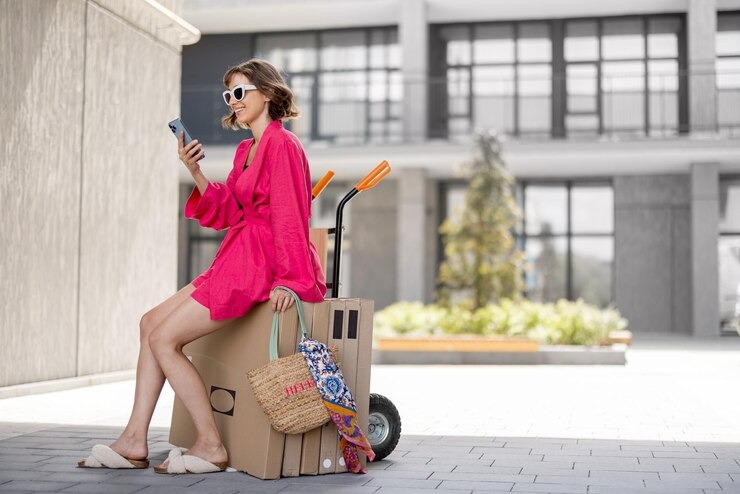
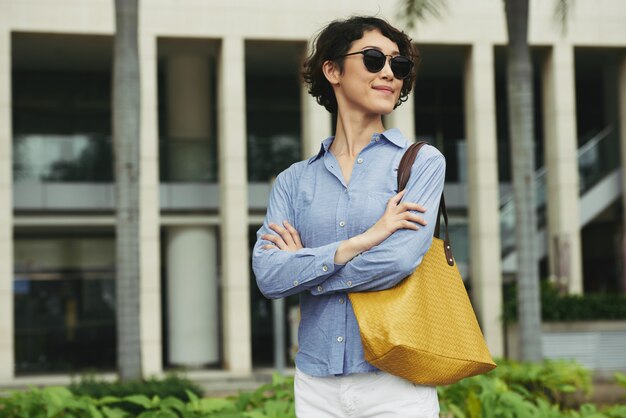
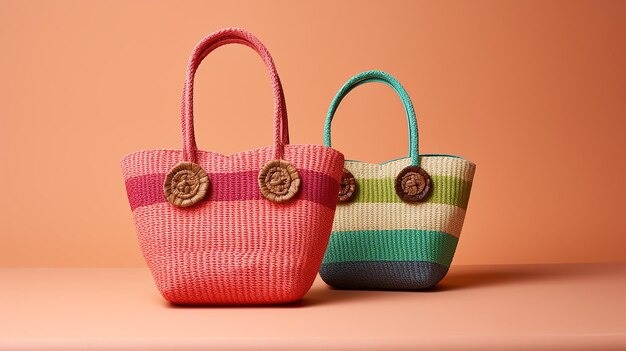
    stylish women with bag in hand

    Built-In Mobility That Doesn’t Look Sporty

    Movement-friendly design is the baseline for city days, but the goal is to avoid obvious athletic styling. Look for garments with subtle stretch, thoughtful shaping, and ease through high-motion areas like shoulders, hips, and knees. A piece can feel sleek while still allowing a long stride, quick turns, and stair climbing without tugging or riding up. Pay attention to how the fabric rebounds after sitting and standing, because shape retention helps you look sharp from morning to evening. Fashion-forward essentials for active urban living should feel made for motion, even when the silhouette reads refined, and should also integrate everyday carry solutions in a way that keeps your look streamlined and practical.

    Outer Layers That Handle Sudden Weather Swings

    Urban routines often include microclimates: cold platforms, warm trains, windy corners, and air-conditioned offices. Choose an outer layer that blocks wind, sheds light rain, and stays lightweight enough to carry when you’re indoors. The most useful designs have a clean profile, practical pockets, and closures that don’t snag, so you can adapt quickly without fuss. A modern cut that layers comfortably over workwear or casual pieces makes it easier to stay consistent in style across your day. For active urban living, a reliable outer layer is one of the most valuable fashion-forward essentials because it protects comfort without sacrificing appearance.

    Footing That Supports Long Days on Hard Surfaces

    City life means miles on concrete, frequent stops, and uneven ground, so your foundation must support you. Prioritize cushioning, stability, and grip, but keep the look streamlined enough to pair with different outfits. A low-profile design in a versatile color helps maintain a fashion-forward feel without limiting you to one vibe. Consider how the shoe performs in wet conditions and how easily it cleans, because urban living exposes footwear to grime fast. Fashion-forward essentials for active urban living should let you move all day while still looking intentional.

    Carry Solutions That Keep Your Hands Free

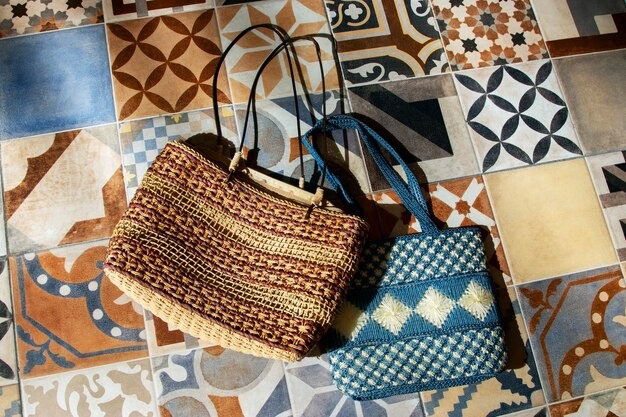
    Active urban living goes better when you’re not juggling items, especially in crowded spaces. Choose a carry option that distributes weight comfortably and keeps essentials secure, with compartments that prevent digging around while you’re walking. A structured shape helps the outfit look pulled together, while practical features like secure closures and easy-access pockets improve daily function. Materials that resist scuffs and wipe clean will hold up better in a city environment. In minimal carry situations, many urban styles also rely on a smart decision to buy clutch purse online, offering a compact way to keep essentials organized without the bulk of larger bags. When your carry choice is smart, it becomes a fashion-forward essential that supports mobility and reduces friction in your routine.

    Fabrics That Resist Wrinkles, Odor, and Abrasion

    City schedules are unpredictable, and your clothes should handle repeat wear, transit contact, and long hours without looking tired. Seek materials that maintain a smooth surface, dry quickly after light rain, and resist pilling in high-friction areas. Breathability matters for packed commutes, while odor resistance is especially helpful when your day runs long. You don’t need technical-looking textiles; many modern blends deliver performance while still appearing elevated. For active urban living, fabric choice is a hidden advantage that turns basic items into fashion-forward essentials.

    Easy Coordination Through a Tight Color Range

    A cohesive color strategy makes it simple to get dressed quickly and still look stylish. Choose a small set of shades that work together so you can mix pieces without overthinking, then add one accent that feels current. This approach is ideal for active urban living because it reduces decision fatigue and prevents outfit clashes when you’re in a rush. Clean color combinations also photograph well and look modern, which supports the “fashion-forward” goal without needing loud statements. When your palette is consistent, your essentials do more work, and your wardrobe feels bigger than it is.

    Smart Details That Improve Real-World Function

    Small design elements can make a major difference in how smoothly your day runs. Think secure pockets, reliable zippers, adjustable features, and finishes that don’t snag on coats or seating. These details matter in transit, in crowds, and during quick changes between indoor and outdoor environments. The best versions are subtle, so they don’t dominate the look; they simply make the garment easier to live in. Fashion-forward essentials for active urban living should quietly support you, making your outfit feel effortless even when your schedule isn’t.
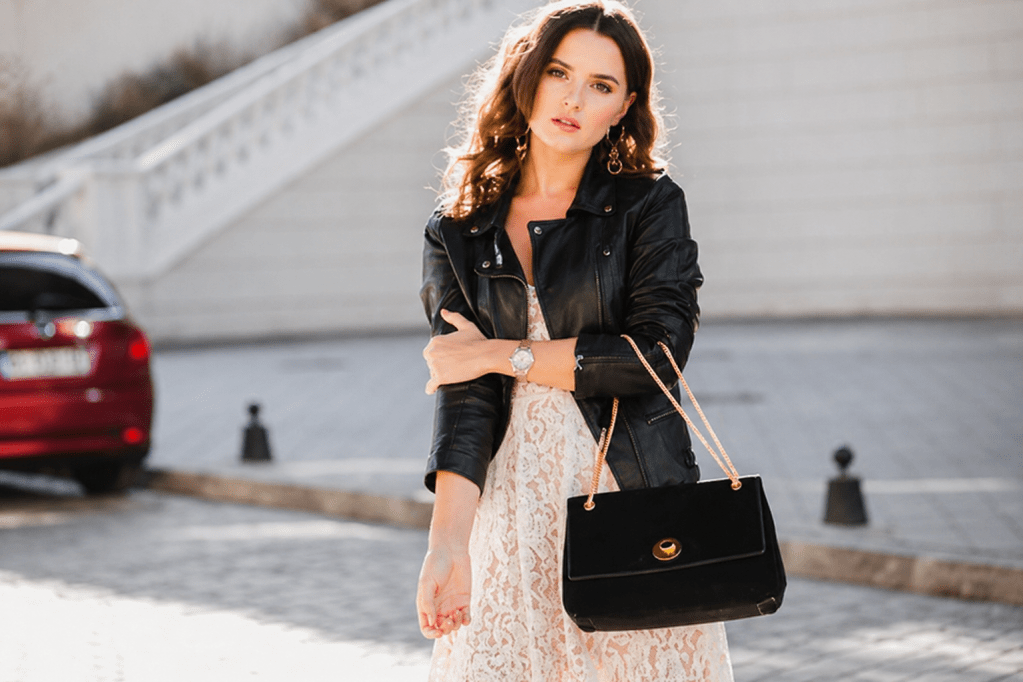
    women posing with stylish bag

    One Elevated Piece to Anchor the Look

    Active urban living can push your wardrobe toward pure utility, so it helps to include one item that instantly raises the overall impression. This might be a sharply cut layer, a premium knit, a tailored silhouette, or a striking accessory that stays within your color plan. The key is that it works with your most-worn items, not just special outfits, so it earns its place through frequency. An anchor piece gives you a reliable way to look city-ready even on minimal effort days. In a fashion-forward essentials lineup, this is the element that keeps your style from feeling purely practical.

    Conclusion

    Fashion-forward essentials for active urban living succeed when they blend movement, durability, and modern style in a way that supports your real routine. Prioritizing mobility, adaptable layers, comfortable footing, hands-free carry, and resilient fabrics makes city days smoother and less stressful. A tight color range simplifies coordination, while smart details reduce daily friction and keep you looking composed in motion. Finally, an elevated anchor piece ensures your outfits stay stylish, not just functional. With these fashion-forward essentials, active urban living becomes easier to navigate—and your look stays confident from first commute to last stop.

  • How to Dress Smart for Long Office Hours Without Discomfort

    Staying professional through a long workday isn’t just about looking sharp at 9 a.m. It’s about feeling steady after hours of sitting, moving between teams, and handling surprise meetings without constantly adjusting your outfit. The most reliable way to pull that off is to build comfort into the structure of what you wear, so your clothes support you quietly from morning to evening.

    Create a Reliable Outfit Blueprint

    A repeatable outfit “formula” saves time and reduces decision fatigue. Start with a core combination you know looks clean, then rotate only one element: shirt tone, layering piece, or texture to keep variety without risking discomfort. This is where fashion tips for men become most useful: a consistent blueprint makes it easier to look sharp daily without overthinking every detail.

    Select Trousers That Stay Comfortable Past Midday

    Office days often include long seated stretches, quick walks, and unexpected standing conversations. Trousers should keep their shape without pinching at the waist or pulling across the thighs when you sit. Options designed for mobility can make a noticeable difference, and two-way stretch fabric pants from Mr Vastra website are one example that can help you maintain a clean silhouette while still moving naturally.

    Balance Polish With Ease in Your Shirt Choice

    A great work shirt shouldn’t feel stiff, scratchy, or overly tight at the neck by the afternoon. Pay attention to collar comfort, shoulder room, and how the fabric feels when you raise your arms or type for long periods. When your shirt fits properly across the upper back and sleeves, it stays tidy with less adjusting, supporting smart office outfits that look steady through the entire day.

    Keep Your Skin Comfortable With Smart Base Layers

    Discomfort often starts underneath, especially if fabric rubs, traps sweat, or bunches under a shirt. A smooth base layer can reduce friction and help your outer clothing sit better. Choose something lightweight that stays flat at the chest and doesn’t ride up when seated. When the foundation is comfortable, the rest of your outfit feels easier and looks cleaner without extra effort.

    Choose Office Colors That Hide Wear and Creasing

    Long hours can reveal small issues: faint wrinkles at the elbows, lint on darker knits, or seat creases in lighter trousers. Thoughtful color selection minimizes these distractions. Mid-tones and textured neutrals tend to look fresher late in the day, especially in shared workspaces with harsh lighting. This approach also makes mixing pieces easier, so you look consistent without feeling repetitive.

    Reduce Restriction by Paying Attention to Seams and Stretch Points

    Even when clothing looks tailored, internal construction can make it uncomfortable, with tight armholes, bulky seams, or rigid waistbands that can irritate over time. Look for garments with smoother seam finishes and enough room at key movement zones like shoulders, hips, and knees. These details keep you from feeling “locked in,” which matters during long meetings, elevator rides, and desk sessions where you can’t constantly readjust.

    Elevate Your Look With Minimal, Functional Accessories

    Accessories can add refinement, but they shouldn’t create hassle. Pick a watch that slides easily under a cuff, keep pocket items light to avoid fabric pulling, and choose simple pieces that don’t snag. Small, practical add-ons can make you feel finished without adding pressure points. This is a subtle way to reinforce men’s professional fashion while keeping them comfortable.

    Reduce Friction With Smart Fabric Pairings

    Discomfort often comes from layers rubbing or catching rough knits against skin, stiff seams, or fabrics that stick when you move. Pair softer inner layers with smoother outer layers so clothing glides rather than grips. This prevents irritation and helps you stay focused, especially on high-pressure days when you’re moving from desk work to quick meetings.

    Build a Weekly Rotation That Prevents Outfit Fatigue

    Wearing the same types of pieces repeatedly can cause both physical wear and mental boredom. Create a small rotation of dependable basics, two pairs of trousers, a few shirts, and a couple of layering options that mix easily. With a rotation, you avoid forcing uncomfortable “backup” items into your week and keep your look consistent without feeling repetitive.

    Make Grooming and Fabric Care Part of the Strategy

    Comfort isn’t only about what you buy; it’s also about how you maintain it. A shirt that feels fine in the morning can become irritating if it’s over-starched or if detergent residue makes the fabric stiff. Washing with a gentle cycle, avoiding heavy fragrance products, and letting garments fully dry before storing can keep textures softer over time. Also pay attention to collar stays, spare buttons, and quick lint checks; these tiny habits keep your outfit looking intentional without requiring a full reset during the day. When you treat clothing as equipment rather than decoration, you end up feeling calmer and more confident while still looking professional.

    Choose Office-Appropriate Pieces That Don’t Feel Work-Only

    One reason workwear becomes uncomfortable is when it’s too formal for your real routine. Aim for pieces that look business-ready but don’t feel like costume items you could also wear to a dinner, a commute-heavy day, or a casual client visit. When clothing has some versatility, it’s often designed with comfort in mind, and you’ll naturally reach for it more. This also helps you avoid owning “stiff” options that only come out for special meetings, because those are usually the items that pinch, itch, or restrict movement when worn for a full day.

    Conclusion

    Dressing smart for long office hours is about planning for the reality of your day: sitting, moving, changing temperatures, and staying presentable without constant adjustments. When you build around comfort-first fits, skin-friendly foundations, and practical details, you stay confident for the full stretch of your schedule without looking like you traded style for ease.

  • Easy Ways to Snack Smart Without Compromise

    Snacking gets a bad reputation because it’s often associated with mindless eating, sugar spikes, or grabbing whatever is closest when you’re stressed. But snacks can be one of the easiest ways to support steady energy, a better mood, and more satisfying meals later in the day if you build them with a little intention. The goal isn’t to eliminate cravings or follow strict rules. It’s to choose options that feel enjoyable, keep you full, and fit naturally into real life.

    Start With a Clear Snacking Purpose

    Before you reach into the pantry, ask what you actually need: a quick bridge to the next meal, a boost before a workout, something salty after a long meeting, or simply a comforting break. When you identify the purpose, your choices get sharper, and you’re less likely to snack twice because the first snack didn’t satisfy you. Many people do well with a “two-part” approach: something with fiber or protein paired with something flavorful, so you feel both physically full and mentally content.

    Make Crunch Work for You

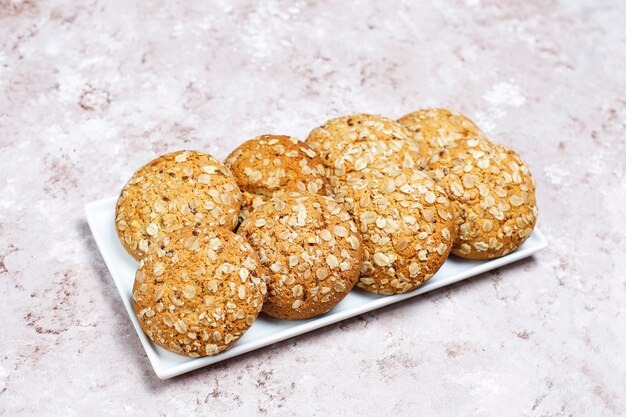
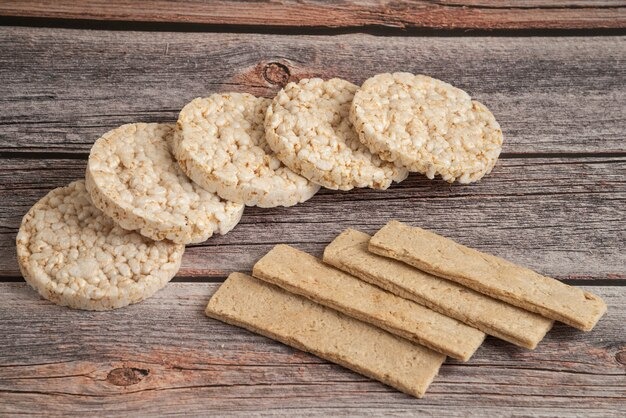
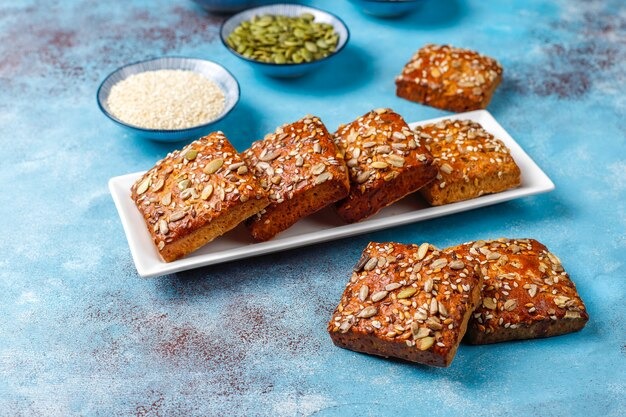
    Crunch is satisfying for a reason; it provides sensory feedback that can make a snack feel complete rather than flimsy. Instead of fighting that craving, channel it into smarter choices you can portion easily and enjoy slowly. If you’re looking for a crisp option with a different base than typical refined flour snacks, you might consider browsing millet biscuits online as one way to keep crunch on the menu while expanding your pantry beyond the usual picks. The key is to treat crunchy foods as a planned snack, not a continuous nibble.

    Build a Simple Snack Formula

    A reliable formula makes smart snacking feel effortless. Try combining one “anchor” item with one “bonus” item: yogurt plus fruit, hummus plus vegetables, nut butter plus a banana, or cheese plus whole-grain crackers. Anchors help with fullness, while the bonus adds flavor and texture variety. This approach also helps you avoid the trap of snacks that are tasty but leave you hungry again in 20 minutes.

    Upgrade the Pantry Without Turning It Into a Project

    You don’t need an extreme makeover, just a few strategic swaps that make the easiest choice a decent one. Stock two or three grab-and-go options that you genuinely like, plus one ingredient that turns leftovers into snacks, such as roasted chickpeas, trail mix components, or a jar of olives. Keeping variety prevents boredom, which is often why people roam the kitchen looking for “something else.” When your pantry is set up thoughtfully, it supports consistent choices even on busy days.

    Reinvent Familiar Comforts With Better Pairings

    Some of the most satisfying snacks are the ones that feel nostalgic: a warm drink with something crisp, a savory bite in the afternoon, or a sweet finish after dinner. You don’t have to give that up; you just need pairings that add balance. Try dark chocolate with almonds, popcorn with a protein-rich side, or a small baked treat alongside a glass of milk or kefir. This way, you keep the comfort while avoiding the rollercoaster effect of sugar-only snacking.

    Practice Portioning Without Losing the Fun

    Portioning doesn’t have to feel restrictive; it can actually make snacking more enjoyable because it turns a vague habit into a clear moment. Use small bowls, snack plates, or pre-portioned containers so you can sit down and taste what you’re eating. When you eat from the bag, it’s easy to lose track and keep chasing the same satisfaction you would have gotten from a smaller amount. A defined portion also helps you notice which snacks truly satisfy you and which ones you eat out of routine.

    Bring Back the Joy of Simple Munching

    Something is comforting about shared snacks at gatherings, movie nights, and family visits, and that sense of ritual can exist without overdoing it. Think about crunchy snack traditions you grew up with, something toasted, roasted, or lightly spiced, and recreate the feeling with fresher ingredients and a calmer pace. When snacking becomes a small ritual rather than a constant background activity, it feels more special, and you naturally eat with more awareness.

    Plan for the In-Between Moments

    The toughest snack decisions happen when you’re rushed: commuting, juggling meetings, picking up kids, or running errands. Prepare for those moments with portable options that won’t melt, crumble into dust, or require utensils. Keep a short list of everyday snack bites you can rely on, such as a piece of fruit plus nuts, a protein bar you actually enjoy, or a small container of roasted seeds. Planning for friction points is often more effective than trying to “be disciplined” when you’re already tired.

    Keep Health Goals Realistic and Satisfying

    Healthy snacking isn’t about perfect ingredients; it’s about patterns you can sustain. Rotate flavors so you don’t burn out, include salt when it helps you feel satisfied, and keep some fun options around so you don’t feel deprived. If you’re collecting healthy snack ideas from social media, choose the ones that match your schedule and kitchen habits rather than the ones that look impressive. A snack that you’ll consistently make and enjoy beats an elaborate plan you abandon after a week.

    Conclusion

    Smart snacking works best when it’s practical, enjoyable, and tailored to your real routines. When you snack with a purpose, build balanced combinations, and keep satisfying textures in the mix, you can support steady energy without feeling like you’re compromising. Stock a few reliable options, plan for busy moments, and let snacks be a helpful tool, not a source of guilt. Over time, small choices add up, and your snack habits can become one of the easiest parts of a healthier day.

  • How to Maintain Comfort in Innerwear Throughout the Day

    Innerwear comfort isn’t just about the first five minutes after you get dressed; it’s how everything feels after hours of moving, sitting, bending, and dealing with shifts in temperature. A piece that seems fine in the mirror can start to pinch, slide, or rub once real life begins. The good news is that lasting comfort is less about luck and more about small decisions you repeat daily. When you plan your base layer with intention, you can finish the day feeling steady instead of counting the minutes until you can change.

    Pick Pieces That Won’t Demand Constant Fixing

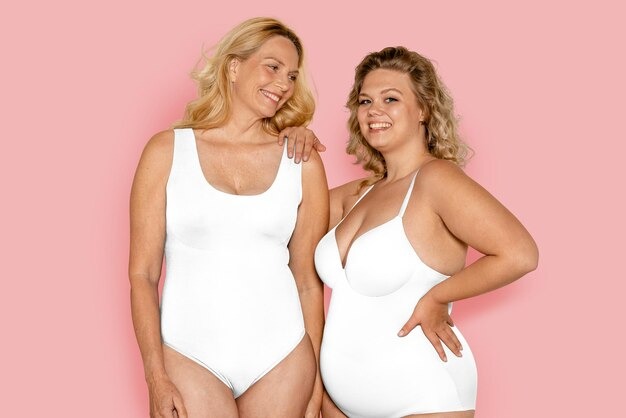
    A reliable foundation is one you can ignore, because it stays put without reminders. Before you commit to wearing something for a full day, test it by walking around, sitting down, reaching overhead, and taking a deep breath. If something rolls, creeps, or shifts during that quick test, it will probably become a bigger distraction later. For outfits that need a smoother look, shapewear for plus-size women can work well when it stays stable rather than feeling aggressively tight.

    Avoid Chasing Maximum Tightness

    Compression can feel supportive at first, but too much firmness often turns into fatigue. Instead of aiming for the strongest hold, look for an even, balanced feel that doesn’t change dramatically when you move or breathe. A waistband that stays level and edges that lie flat usually matter more than a dramatic squeeze. When innerwear respects natural movement, you stay comfortable longer and don’t feel restricted during ordinary tasks.

    Do a Movement-Based Fit Check, Not a Mirror Check

    Standing still hides problems that show up in real motion. A better test is to move the way you’ll actually move during the day: sit the way you sit at work, lean forward as if typing, take a few steps, and stretch your arms upward. If any seam starts to bite or any band starts to slide during this routine, it’s a warning sign. The goal is to catch pressure points early, before they turn into soreness by midday.

    Manage Comfort for Long Periods of Sitting

    Sitting changes how innerwear behaves because the body folds and pressure concentrates at the waist, underbust, and hip area. If you spend a lot of time in a chair or driving, prioritize softer finishes and wider bands that spread pressure instead of creating a sharp line. Pay attention to underarm areas too, since some bra shapes feel fine standing but become irritating once your arms rest lower. Comfort across a seated day often comes from gentle stability rather than strong structure.

    Reduce Rubbing Before It Starts

    Friction can ruin comfort even when the fit is correct. Areas like the underbust, side seams, and inner thighs are common places where rubbing builds slowly until it becomes distracting. Smooth finishes, well-placed seams, and enough coverage in the right zones can prevent that irritation from developing. If your skin is sensitive, fabric feel matters as much as size, because a slightly scratchy surface can become a big problem after several hours.

    Rotate Your Favorites So They Keep Their Shape

    Even great innerwear loses comfort when elasticity gets tired. Wearing the same pieces too frequently can lead to stretched bands, sliding edges, and straps that won’t stay adjusted, which creates a cycle of readjusting all day. A small rotation helps each item recover and keeps the fit more consistent from week to week. This simple habit often improves comfort more than buying new styles, because it protects what already works.

    Keep Outer Clothing From Fighting Your Base Layer

    Sometimes discomfort comes from what you wear on top. Certain fabrics cling to innerwear and cause creeping, while rigid waistlines can press seams into the body and create a “stuck” feeling. Using smart layering ideas can help by adding a smooth buffer between textures and reducing drag, especially when you’ll be moving in and out of different settings. When clothing and innerwear cooperate, you feel freer and spend less time adjusting.

    Match Your Base Layer to Your Schedule

    Your day’s plan should influence what you choose underneath. A relaxed day at home, an errand-filled afternoon, and a long office schedule place different demands on support and breathability. If your outfit needs a polished finish, smart casual outfits feel easier to wear when your innerwear stays invisible and comfortable without shifting. Choosing the full timeline of your day prevents the common mistake of dressing for one moment and suffering through the rest.

    Make Styling Changes Without Sacrificing Comfort

    It’s possible to experiment while staying comfortable, but the order matters: comfort first, styling second. If you’re trying new silhouettes, test them at home with real movement so you don’t discover problems halfway through the day. Small tweaks like changing fabric weight, adjusting waistband height, or choosing smoother edges can make a bigger difference than switching to an entirely new category. Planning trendy outfit ideas becomes simpler when you know your base layer won’t become the weak point after a few hours.

    Conclusion

    All-day innerwear comfort comes from stability, smart testing, and choosing pieces that match how you actually live. When you prioritize even pressure, reduce friction, and prevent sliding before it starts, you stop thinking about what you’re wearing underneath. Over time, these habits turn into a dependable routine that supports your confidence and focus. The best sign you did it right is simple: you reach the end of the day feeling like yourself.

  • Jewelry That Tells Your Story Without Words

    Some pieces feel like more than decoration. They hold the mood of a season, remind you of a promise you made to yourself, or quietly mark the moment you decided to change direction. The most meaningful jewelry doesn’t need an explanation because it communicates through presence, shape, weight, and the way it becomes part of your daily routine. This article explores how to choose pieces that speak for you in subtle ways, so your style carries emotion and intention without ever feeling forced.

    Meaning Starts With What You Wear on Repeat

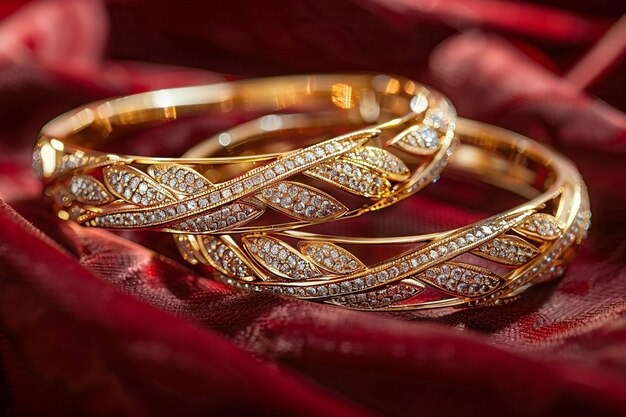
    A story isn’t written in one dramatic scene; it’s built through the small details you return to again and again. The jewelry you reach for on ordinary mornings becomes the strongest symbol because it follows you through real life workdays, errands, celebrations, and quiet wins no one else sees. When selecting these pieces, look for comfort, durability, and a design you won’t tire of, because repetition is what gives a piece personal authority. If you’re ready to choose a daily signature with a refined glow, discover women’s lab-grown diamond bangles at Reia and select the style that suits your routine, explore the collection now and make it yours.

    The Quiet Language of Shapes

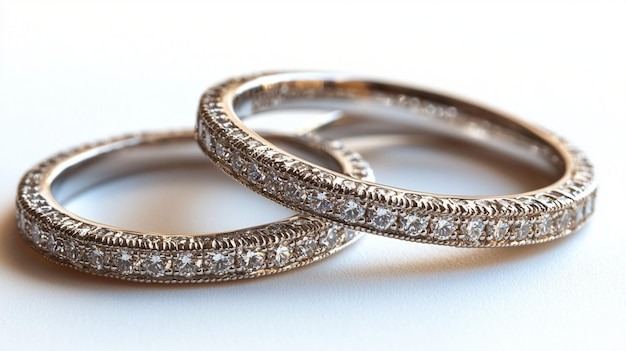
    Every silhouette communicates something different, even when no one can name why. Circles can feel steady and timeless, sharp angles can read bold and decisive, and soft organic curves often suggest warmth and openness. Pay attention to the shapes you naturally gravitate toward in clothing and interiors, because your aesthetic preferences tend to repeat across categories. When you align jewelry shapes with your personal “visual vocabulary,” your pieces feel like an extension of you rather than an accessory you’re borrowing. This is especially true with simple ring designs, where subtle variations in shape can quietly reflect your personal style.

    Symbols That Only You Understand

    Not every meaningful piece has to be obvious. A small motif can hold a private message, an abstract charm that reminds you of a place, a stone color that mirrors a memory, or a detail that represents a person you carry with you. The beauty of subtle symbolism is that it belongs to you first, and everyone else second. When you choose jewelry this way, it becomes less about trend and more about identity, which is why those pieces rarely feel outdated.

    Layering Like a Timeline

    Layering can be more than styling; it can be a timeline you wear. One necklace might represent a new job, another a milestone birthday, another a trip that changed your perspective. The secret is to keep the layers harmonious so the message looks intentional rather than cluttered: vary lengths, repeat a metal tone, and mix textures in a controlled way. When you build layers slowly over time, each addition feels earned, and the whole look becomes a quiet archive of where you’ve been.

    Stones as Mood Markers

    Color and light can capture emotion better than words. Clear brilliance can suggest clarity and calm, while warmer tones often feel intimate and grounded. If you don’t normally wear color, you can still use stones in understated ways, tiny accents, interior details, or pieces that flash only when they catch the light. Thinking of stones as mood markers helps you choose what resonates now while still leaving room for your style to evolve later.

    Craft Details That Carry Emotion

    A piece can feel special because of how it’s made, not just how it looks. A smooth underside that sits comfortably against skin, a clasp that closes with a confident click, or a setting that feels balanced and secure can create a sense of trust you notice every day. These small construction details are often what turn a purchase into a keepsake because they make the piece easy to live in. When jewelry fits your life seamlessly, you attach meaning to it faster, simply because it’s there with you more often.

    Building a Signature Without Looking Repetitive

    A signature style doesn’t mean wearing the exact same thing forever; it means staying consistent in your “rules” while changing the details. You might always choose refined silhouettes, or always keep one piece minimal and let another take focus. This is where stylish accessory ideas become useful like pairing a structured bracelet with a simple ring set, or balancing delicate earrings with one confident necklace so your look stays recognizable without becoming predictable.

    Pieces That Speak When You Don’t Want To

    There are days when you’d rather not explain yourself, yet you still want to feel composed and seen. Jewelry can do that work quietly. A clean bracelet can project calm confidence, a pendant can feel like a personal anchor, and a well-chosen ring can bring a sense of stability through touch alone. These are the pieces that help you show up in the world on your own terms, offering presence without requiring performance.

    Choosing Designs That Reflect Your Inner Voice

    If you want jewelry that truly tells your story, start by asking what you want it to express strength, softness, resilience, freedom, joy, or renewal. Once you name the feeling, you can match it to design choices: bold lines for decisiveness, gentle curves for openness, subtle sparkle for optimism, or mixed textures for complexity. When you shop through that lens, expressive jewelry designs stop being a trend category and become a personal toolkit for communicating who you are, even in silence.

    Conclusion

    Jewelry becomes meaningful when it’s chosen with intention and worn with consistency. The pieces that matter most are the ones that fit your life, echo your preferences, and quietly witness your days both ordinary and extraordinary. When you prioritize comfort, shape language, subtle symbolism, and thoughtful craft, your collection starts to feel like a personal narrative rather than a set of accessories. Over time, those choices add up to something powerful: a story you carry with you, without ever needing to say a word.

  • Stylish Bags That Make Work, Travel, and Life Easy

    Stylish Bags That Make Work, Travel, and Life Easy

    Modern days don’t stay in one lane. You might start with a commute, squeeze in a quick workout, hop on a call from a café, and still need to look pulled together by evening. The right bag becomes the tool that makes all those transitions feel smooth rather than chaotic. Instead of chasing trends, it helps to think about what “easy” actually means for you: fewer searches for essentials, less strain on your shoulders, and a look that stays polished through real life.

    The Three-Lane Bag Test

    To match the promise of the title, judge any bag by three lanes: work, travel, and everyday life. For work, you need space and calm structure; for travel, you need security and access; for life, you need flexibility. When one design handles all three, it saves time, money, and decision fatigue. That’s why women’s tote handbags often become the backbone choice, roomy enough for the day, streamlined enough for meetings, and casual enough for errands when plans shift without warning.

    Work Ease Begins With Structure

    Work-friendly doesn’t have to mean stiff. A bag can keep its shape while still feeling comfortable and modern. Look for a base that stands on its own, corners that don’t collapse, and a top opening that doesn’t fight you when you’re rushing. If you carry tech, a padded sleeve or a firm interior divider prevents the “everything piled together” problem. For fashionable handbag looks that still read professional, the winning formula is simple: clean silhouette, restrained hardware, and a finish that doesn’t look tired by Friday.

    Travel Ease Is Security Plus Speed

    Travel is where a bag proves its worth. You want it secure when you’re moving through crowds, but fast when you’re digging out documents, earbuds, or hand sanitizer. A top zip or a strong magnetic closure helps you feel protected without adding fuss. Exterior pockets are useful only if they’re tight enough to keep items from slipping out. The best travel-ready choices also consider the little realities like setting the bag down at a gate or sliding it under a seat without it losing shape.

    Everyday Ease Means Hands-Free Enough

    Even if you love a shoulder carry, your day will include moments when you need both hands for coffee, phone, keys, a door, a kid, or a suitcase handle. That’s why strap design matters as much as storage. A wider strap spreads the weight and feels better on long days. A longer drop lets it sit comfortably over coats without slipping. Some designs quietly include a removable long strap, giving you the option to go crossbody when your life requires it, without forcing a sporty look all the time.

    The Inside Should Solve Problems, Not Create Them

    A bag that makes life easy has an interior that guides your routine. Too many pockets can be as annoying as too few, because you stop remembering where things go. The goal is a simple map: one safe spot for valuables, one quick-grab area for daily items, and enough open space for the unpredictable. A lighter lining helps you find things quickly. If you carry small essentials, a removable pouch keeps the “tiny item chaos” from taking over the main compartment.

    Closures That Keep You Calm

    The closure is the difference between feeling organized and feeling exposed. Open-top bags can be convenient, but they’re less forgiving in crowded commutes, busy terminals, or windy days when receipts and papers decide to escape. A full zip offers the most peace of mind, while a flap or magnetic snap can strike a balance between speed and security. Also, pay attention to how the closure behaves when the bag is full. If it stops closing once you add a water bottle, it won’t support your routine for long.

    The Set-Down Moment Matters

    Real life includes constant set-downs: on the passenger seat, on the office floor, next to a café chair, under a conference table. A bag that makes life easy should look composed after those moments, not crumpled or collapsed. Small base feet can help, but shape and stability matter more than any single add-on. When the bottom panel is steady, and the sides don’t cave in, you can put the bag down quickly and pick it up again without reorganizing everything.

    Styling Without Overthinking

    A bag that works for everything should blend with your wardrobe, not demand a new one. Neutral tones are easy, but you can also choose a signature color if most of your outfits stay simple. The trick is coherence: matching the “mood” rather than trying to match every detail. A sleek bag can sharpen casual outfits, while a softer shape can relax formal ones. When you treat it as part of fashion accessory styling, you stop seeing it as a separate decision and start seeing it as the anchor that ties your look together.

    Conclusion

    The title promise making work, travel, and life easy, comes down to one idea: reduce friction. Choose a bag that keeps its shape, protects what you carry, feels comfortable for long stretches, and adapts to different settings without looking like it’s trying too hard. When the design supports your real routine, your days feel smoother, and your style feels effortless, because you’re no longer negotiating with your bag; you’re simply moving through life with it.

  • Modern Ring Options That Feel Simple and Thoughtful

    Modern jewelry choices increasingly lean toward pieces that feel intentional rather than extravagant. Rings, in particular, have taken on a renewed sense of purpose, reflecting not just personal style but also deeper values and everyday practicality. Instead of ornate designs meant only for special occasions, many people are drawn to options that integrate seamlessly into daily life. This shift emphasizes comfort, clarity, and emotional resonance, making modern rings less about status and more about storytelling. The result is a thoughtful approach where simplicity becomes a powerful expression of meaning.

    Shifting Preferences in Jewelry Design

    Design trends have moved away from heavily embellished aesthetics toward cleaner silhouettes that feel timeless. Contemporary wearers often prefer rings that can transition easily from casual settings to formal moments without feeling out of place. This evolution highlights an appreciation for subtle beauty and functional design. Rather than chasing fleeting trends, modern rings are created to endure stylistically, allowing them to remain relevant across changing tastes and lifestyles. The emphasis is on balanced designs that are visually pleasing yet understated enough to feel authentic.

    Meaning Beyond Ornament

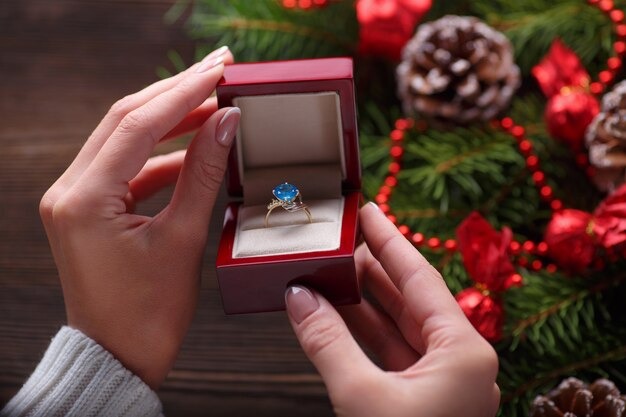
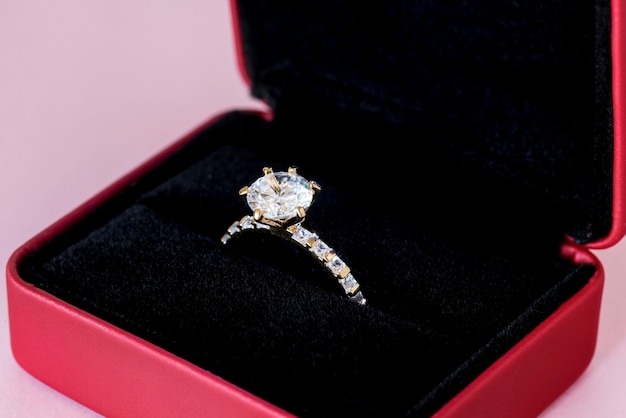
    Rings today are often chosen for the stories they represent rather than their visual impact alone. People seek pieces that symbolize commitment, individuality, and intention. A thoughtfully selected ring can mark milestones while also reflecting personal beliefs. In this context, the idea of a solitaire engagement ring often appears naturally within discussions of meaning, as it represents focus and clarity. Such symbolism resonates with those who value emotional depth over ornate decoration, allowing the ring to become a quiet but powerful reminder of a shared journey.

    Clean Lines and Quiet Details

    Simplicity does not mean a lack of character. Modern rings often showcase refined craftsmanship through precise lines and subtle detailing. The absence of excess allows small design choices to stand out, such as gentle curves, balanced proportions, or a carefully chosen setting. These elements work together to create a sense of harmony. The beauty lies in restraint, where each detail serves a purpose and contributes to an overall feeling of calm elegance rather than visual noise.

    Materials That Reflect Values

    Material selection has become a significant part of thoughtful ring design. Beyond appearance, people now consider how materials align with their personal ethics and environmental awareness. Discussions around responsible sourcing have encouraged many to explore options that feel more aligned with their values. In this space, the concept of an ethical diamond ring often emerges as part of a broader conversation about mindful consumption. Choosing materials with intention adds another layer of meaning, making the ring a reflection of both love and responsibility.

    Craftsmanship for Everyday Life

    Modern rings are designed with daily wear in mind. Comfort, durability, and practicality are prioritized alongside aesthetics. Craftspeople focus on creating pieces that withstand regular use without sacrificing elegance. Smooth edges, secure settings, and thoughtful proportions ensure that the ring feels natural on the hand. This attention to everyday functionality reinforces the idea that meaningful jewelry should be lived in, not locked away for rare occasions.

    Customization Without Excess

    Personalization has become a subtle art rather than an exercise in extravagance. Instead of overwhelming customization, modern rings offer thoughtful options that allow wearers to express individuality in understated ways. Small adjustments in metal tone, band width, or setting style can make a piece feel uniquely personal. Within these conversations, solitaire lab grown diamond engagement rings are sometimes mentioned as an example of how simplicity and innovation can coexist, offering customization while maintaining a refined aesthetic that feels intentional rather than excessive.

    Styling Choices for Modern Wearers

    How a ring fits into a broader wardrobe matters more than ever. Modern wearers often look for pieces that complement their overall style rather than dominate it. A thoughtfully designed ring can pair effortlessly with other jewelry or stand alone with quiet confidence. This versatility allows the ring to adapt to changing outfits and occasions, reinforcing its role as a constant companion rather than a statement reserved for specific moments.

    Longevity and Emotional Connection

    A truly thoughtful ring is one that grows more meaningful over time. Longevity is not only about physical durability but also emotional relevance. As years pass, the ring becomes intertwined with memories, experiences, and shared milestones. Its simple design allows it to age gracefully, never feeling outdated. This enduring quality strengthens the emotional bond between the wearer and the piece, transforming it into a lasting symbol rather than a temporary accessory.

    Conclusion

    Modern ring options reflect a broader cultural shift toward intentional living and meaningful choices. By focusing on simplicity, comfort, and values, these designs offer more than visual appeal; they provide a sense of connection and authenticity. Thoughtful rings blend seamlessly into everyday life while carrying deep emotional significance. In embracing understated elegance, modern wearers find pieces that not only mark important moments but also quietly accompany them through life’s evolving journey.

  • Smart Layering Ideas That Save Time and Effort

    Mastering the art of layering can completely transform your wardrobe. When done thoughtfully, layering not only adds visual interest but also makes dressing more efficient, allowing you to mix and match pieces without overthinking your outfit. The key is choosing items that work together seamlessly, balancing textures, colors, and silhouettes. Smart layering is especially helpful during transitional seasons when the weather can be unpredictable, and having a few strategic techniques up your sleeve can save both time and effort each morning.

    Prioritize Versatile Base Pieces

    A solid foundation is essential for building layered looks. Stick to neutral or muted tones for your base pieces as they pair well with various outer layers. Lightweight tops, simple shirts, and stretchable garments offer flexibility while maintaining comfort. Choosing versatile items ensures that you don’t have to constantly think about what goes with what. This method is perfect for mornings when you need to dress quickly, as a reliable base allows you to experiment with outer layers without clashing patterns or textures.

    Mix Textures for Depth

    Introducing different textures into an outfit creates visual intrigue without overcomplicating the look. For instance, pairing a soft knit with a crisp denim jacket or a leather piece can add dimension effortlessly. Combining textures allows each layer to stand out individually while remaining cohesive overall. Mixing materials not only elevates an outfit but also ensures practical benefits, such as warmth from a wool layer or breathability from cotton, keeping you comfortable throughout the day.

    Play With Lengths

    Layering is more interesting when you experiment with lengths. Longer coats over cropped tops, oversized sweaters over fitted pants, or tunics under jackets can dramatically improve the silhouette. This approach makes outfits feel intentional rather than thrown together. By varying the lengths, you can highlight key elements of your ensemble while also creating a flattering, balanced look. Smart manipulation of garment lengths helps avoid bulkiness while keeping your outfit chic and effortless.

    Incorporate Lightweight Jackets

    A lightweight jacket is a must-have for those who want an adaptable wardrobe. These pieces are easy to throw on over multiple layers, providing both style and functionality. They work in casual and semi-formal settings, making them a versatile addition for anyone with a busy lifestyle. Jackets in neutral or complementary colors allow quick coordination without requiring much thought, letting you focus on other parts of your outfit.

    Emphasize Color Coordination

    Color plays a subtle but critical role in simplifying your layered outfits. Choosing shades that harmonize ensures that each piece contributes to a polished overall appearance. Monochromatic looks can feel sophisticated, while contrasting hues add vibrancy. Thoughtful color coordination prevents your ensemble from appearing messy, even when multiple layers are involved. It also makes it easier to pull together last-minute outfits without having to search for a “perfect match” for every item.

    Accessorize Strategically

    Accessories can make layered outfits feel complete while providing practical benefits. Scarves, belts, and hats can unify various pieces and create a polished finish. They also allow you to update your look without changing the core layers, saving time when preparing for different occasions. Choosing lightweight and functional accessories complements adaptive clothing by enhancing comfort and ease of wear while still allowing you to express personality and style effortlessly.

    Include One Statement Piece

    One standout element can elevate a layered outfit and reduce the need for excessive pieces. A bold coat, structured vest, or standout blouse can act as the focal point, giving the outfit purpose and cohesion. This approach streamlines the decision-making process, as the statement item dictates the complementary layers, making the styling faster. For instance, a one piece bodysuit paired with a contrasting jacket and trousers can achieve a chic, ready-to-go look without unnecessary additions.

    Experiment With Patterns Carefully

    Patterns can add interest, but overdoing them can overwhelm a layered look. Stick to one patterned piece and let the other layers remain simple to achieve a balanced composition. Stripes, checks, or subtle prints work best when paired with solid colors, creating a dynamic yet harmonious outfit. Careful pattern mixing requires attention, but once mastered, it saves time by giving a clear blueprint for stylish combinations.

    Plan Seasonal Adaptations

    Layering isn’t just about style; it’s also about comfort throughout the year. Adjust your choices based on seasonal needs: lighter fabrics for warmer months and thicker textures for colder days. Having a mental rotation of flexible clothing layers suited to each season reduces stress during outfit planning and minimizes unnecessary shopping. Seasonal planning ensures that you always have go-to layered looks that require minimal effort but still appear thoughtful.

    Mind Your Proportions

    Balancing proportions is critical for achieving a flattering layered ensemble. Avoid too much bulk in any single area by alternating fitted and loose pieces strategically. A slim underlayer with a slightly oversized jacket, or tailored pants with a flowing top, creates a visually pleasing shape. Mindful proportioning not only enhances style but also simplifies outfit assembly, making daily dressing faster and more efficient.

    Conclusion

    Mastering smart layering can revolutionize your daily dressing routine. By focusing on versatile bases, experimenting with textures and lengths, and incorporating accessories strategically, you can create stylish and functional outfits without spending extra time or energy. Adding one key statement piece or carefully chosen pattern can complete the ensemble, while seasonal planning ensures year-round readiness. With these methods, dressing becomes less of a chore and more of an effortless, creative process, allowing you to step out with confidence every day.

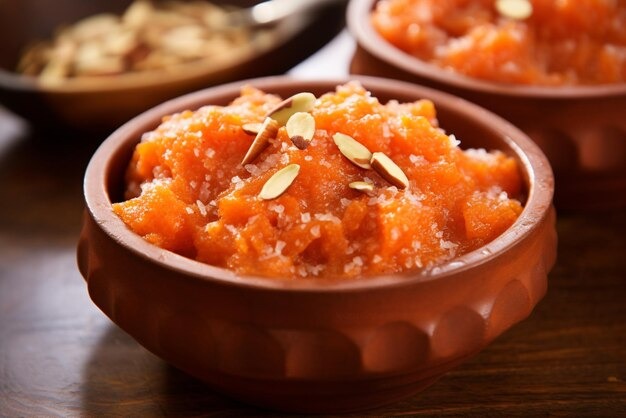
  • Traditional Desserts Given as Gifts During Festivals

    Festivals are moments when routine steps aside and human connection takes center stage. Across cultures, these occasions are marked not only by rituals and gatherings but also by the thoughtful exchange of gifts. Among flowers, clothes, and handcrafted items, desserts stand out as expressions of affection that speak without words. Their sweetness carries emotion, while their preparation reflects care, patience, and cultural memory. Over time, gifting desserts during festivals has become a cherished way to honor relationships and celebrate shared joy, blending hospitality with symbolism in ways few other gifts can achieve.

    Sweet Offerings as Cultural Expressions

    In many societies, festive desserts are more than celebratory treats; they are cultural statements shaped by history and belief. The act of giving something prepared with care reflects generosity and respect, especially during sacred or joyful occasions. Long before commercial gifting gained popularity, families relied on shared culinary practices to mark special days. These edible offerings often symbolized abundance, gratitude, and harmony, reinforcing food traditions that connected households and neighborhoods through shared flavors, mutual trust, and social responsibility that extended beyond individual families. Such practices also helped maintain social balance, ensuring no household felt excluded during moments of celebration.

    Emotional Connections Wrapped in Sugar

    Festive desserts often evoke memories tied to family, childhood, and community. Receiving a box of sweets during celebrations can instantly transport someone back to earlier times when kitchens were filled with aromas, conversation, and anticipation. These treats become emotional anchors, reminding people of who prepared them and why. In many homes, certain desserts are prepared only once or twice a year, making their arrival deeply anticipated. The emotional value often outweighs the material worth, turning simple ingredients into symbols of belonging and affection that linger long after the festival ends.

    Ingredients That Tell Regional Stories

    The components used in festive desserts often reflect geography, climate, and local agriculture. Whether it is the choice of grain, sweetener, or spice, each ingredient carries meaning rooted in the land it comes from. Over generations, these combinations have evolved into what many recognize as regional festival desserts, each reflecting the identity of a place and its people. When gifted, these sweets quietly communicate regional pride, inherited knowledge, and a sense of continuity that survives even as lifestyles change. They also serve as subtle reminders of local resilience and self-sufficiency.

    Seasonal Influence on Festive Preparations

    The timing of festivals often aligns with seasonal transitions, influencing the nature of the desserts prepared. Lighter, cooling sweets appear during warmer periods, while richer, nourishing varieties are reserved for colder months. This thoughtful alignment ensures balance and comfort while honoring traditional wisdom. Seasonal awareness also affects portion sizes, storage methods, and ingredient choices, showing how dessert gifting has always been closely tied to practical understanding of nature alongside celebratory intent.

    Shared Kitchens and Collective Effort

    Festive dessert preparation is rarely an individual task. Kitchens become gathering spaces where family members contribute in small yet meaningful ways. These shared efforts strengthen bonds and pass knowledge organically. Younger generations learn by observing elders, absorbing techniques that may never be written down. Through these experiences, festive desserts are preserved not just as recipes but as living traditions shaped by shared labor, cooperation, and respect for cultural continuity. The process itself often becomes as meaningful as the finished gift.

    Presentation as an Extension of Care

    How a dessert is presented often reflects the giver’s intention as much as the dessert itself. Decorative boxes, traditional wraps, or reusable containers are chosen thoughtfully, enhancing emotional value. Presentation signals effort, respect, and sincerity. In recent times, people exploring traditional gifting ideas through platforms like the Kuuraii website have found ways to balance authenticity with convenience. While packaging styles evolve, the underlying message of warmth and goodwill remains unchanged, ensuring the gesture never feels impersonal.

    Evolving Practices in Modern Celebrations

    As lifestyles become faster and urban spaces more compact, festive gifting habits have adapted. Some families continue preparing desserts at home, while others rely on skilled artisans who maintain traditional techniques. This shift reflects changing time constraints rather than cultural decline. Modern celebrations still rely on desserts as symbolic gifts because they remain accessible, meaningful, and universally appreciated across generations and social boundaries, bridging old customs with present-day realities.

    Passing Recipes Across Generations

    One of the most enduring aspects of festive dessert gifting lies in how recipes are preserved within families. Many are passed down through observation rather than written instructions. Children grow up watching elders measure ingredients instinctively, learning patience and precision through participation. Over time, small adaptations may be introduced to suit changing tastes, yet the core character remains intact. When these desserts are gifted, they carry layers of family history, personal memory, and shared cultural identity that strengthen intergenerational bonds.

    Conclusion

    Traditional desserts given during festivals continue to hold relevance because they combine flavor with feeling. They remind people that celebration is not only about rituals or grandeur but also about thoughtful exchanges rooted in care. As these sweet gifts move from one home to another, they preserve memory, strengthen bonds, and ensure that cultural values endure through simple, heartfelt gestures shared across generations.

  • The Role of Clothing in Boosting Male Confidence

    Confidence is one of the most attractive qualities a man can possess. It shapes how he walks, talks, works, connects with others, and perceives himself. While confidence stems from mindset and experience, one surprisingly powerful contributor is clothing. What a man wears directly affects how he feels internally and how he presents himself externally. Clothing is more than fabric—it is a form of personal expression, a confidence tool, and a silent communicator.

    In today’s world, where first impressions are formed within seconds, clothing plays a major role in shaping those impressions. Whether you’re heading to work, going on a date, exploring social spaces, or simply running errands, what you wear influences how you navigate your day. Because of this, understanding how clothing impacts male confidence can help men build a wardrobe that elevates both style and self-assurance.

    Why Clothing Matters for Men

    Many men may not openly discuss the psychological effects of dressing well, yet nearly all experience them. Think about the feeling you get when you wear a perfectly fitted shirt or a high-quality pair of trousers—you stand a little taller, your shoulders relax, and your stride becomes more assertive. That’s the mind-body connection clothing naturally activates.

    This isn’t about wearing expensive brands; it’s about choosing clothing that makes you feel good. Clothes can communicate personal identity, professionalism, creativity, and even mood. When men understand this connection, they start choosing outfits not just to cover their bodies, but to uplift their personas.

    Fit: The Foundation of Confidence

    Ask any stylist for their number one fashion rule, and they’ll say the same thing: fit is everything. Poorly fitted clothing can make even the most stylish outfits appear sloppy, while a well-fitted outfit can make inexpensive pieces look sharp and intentional.

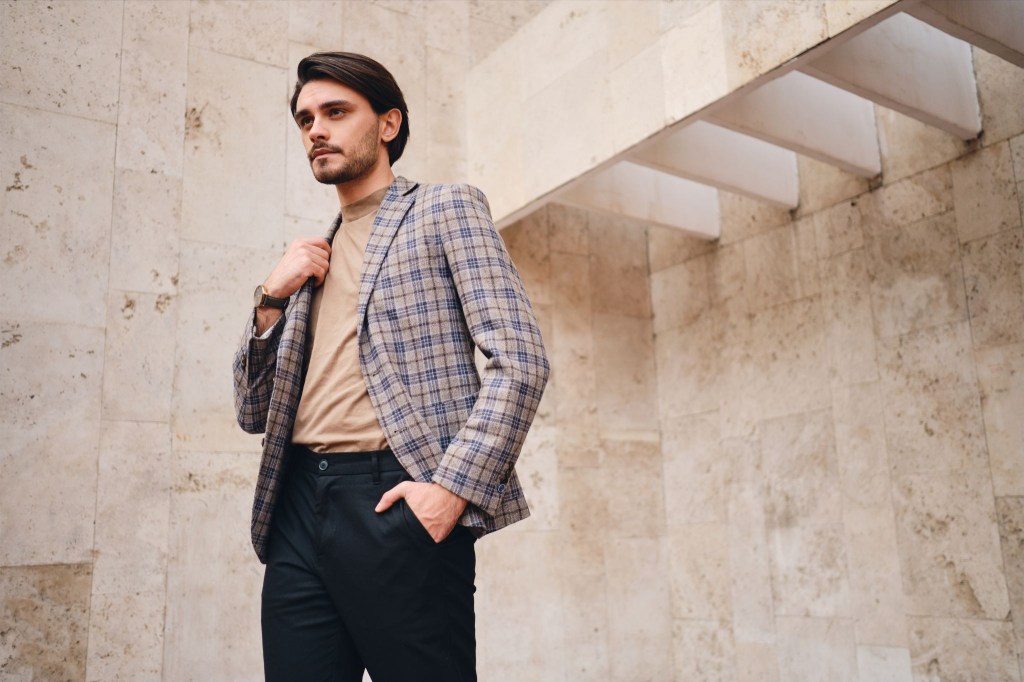
    For men, especially, the right fit enhances posture, accentuates physique, and adds structure. Slim-fit shirts, tailored trousers, and well-cut jeans all create clean lines that instantly boost confidence, and understanding effortless dressing habits for men helps make these choices feel even more natural. Even casual wear—like joggers or cargo pants—looks better when the fit complements the body rather than hides it.

    Many men experience a noticeable increase in confidence simply by switching from baggy, ill-fitting clothes to pieces tailored to their frame.

    Comfort Builds Boldness

    Confidence also grows from comfort. When clothes feel good, you move more naturally and feel more at ease in your surroundings. Materials like cotton, linen, and stretch blends offer comfort without compromising style, and exploring a men’s bottom wear fit guide can help you choose pieces that feel great while still looking sharp.

    The rise of athleisure and premium casualwear is a direct reflection of men wanting garments that look refined but feel effortless. Clothes shouldn’t restrict you; they should support you. And when your outfit helps you feel relaxed yet put-together, confidence comes more naturally.

    Clothing as a Reflection of Identity

    Today’s fashion landscape encourages individuality more than ever before. Men are no longer limited to traditional styles—they can explore color, patterns, fits, and accessories that suit their personality.

    Choosing clothes that align with your identity can be empowering. For some men, confidence stems from clean, minimal looks; for others, bold colors or streetwear-inspired outfits bring them alive. You should feel that your clothes are a reflection of who you are. The more your style reflects your personality, the more confidently you will carry yourself.

    How Bottom Wear Elevates Male Confidence

    While shirts and jackets often get more attention, bottom wear plays an equally important role in shaping a man’s confidence. Well-fitted trousers, joggers, shorts, or jeans contribute to a balanced, cohesive look. They structure the lower body, enhance posture, and create symmetry—elements that impact how a man feels about his appearance.

    Many men begin upgrading their wardrobe from the top down, but the bottom half often makes the most significant difference in overall style. From sharp chinos for office wear to comfortable yet stylish joggers for casual outings, the right bottom wear boosts confidence with every step. If you’re exploring modern styles that fit well and feel premium, you should start checkout on this while browsing new bottom-wear collections that complement your personal style.

    Color Psychology and male confidence

    Colors influence mood and perception. Choosing the right shades can subtly uplift confidence. For example:

    • Navy blue exudes trust and calmness.
    • Black represents authority and sophistication.
    • Earth tones convey groundedness and warmth.
    • White signals cleanliness and simplicity.
    • Bolder colors like red or mustard add energy and individuality.

    When men understand color psychology, they can build outfits that not only look good but also make them feel powerful.

    Dressing for Different Occasions

    Another overlooked aspect of confidence is dressing appropriately for the situation. Men feel more secure when they know their outfit aligns with the environment.

    • Formal wear boosts professionalism.
    • Smart casual pairs comfort with refinement.
    • Casual wear supports ease and relaxation.
    • Activewear boosts performance and energy.

    When you wear what suits the occasion, you naturally feel more in control and more confident.

    Grooming Completes the Look

    Clothing alone cannot deliver confidence—grooming plays a significant role, too. A neat haircut, clean shoes, and a simple grooming routine elevate your look. These small efforts amplify the impact of your clothing and create a polished, confident appearance.

    Conclusion

    Clothing is a powerful confidence booster for men. It shapes how you feel internally and how others perceive you externally. From the fit and comfort to colors and identity, every element of your wardrobe adds to your sense of self-assurance. When you dress intentionally and choose styles that reflect your personality, confidence flows naturally. Clothing isn’t just about fashion—it’s a tool for expressing strength, character, and individuality.

Design a site like this with WordPress.com
Get started